
Tree removal cost in Volusia County typically ranges from about $200 for small, straightforward jobs up to $4,000 or more for very large or high-risk removals, with most common residential jobs falling in the mid hundreds to low thousands. This article explains how tree removal pricing is determined, what homeowners can expect to be included or excluded in quotes, and which factors drive the final cost, including stump grinding and emergency service premiums. Homeowners will learn how tree size, species, location, and condition affect pricing, what emergency removals usually cost, and how add-ons like debris removal change totals. The guide also shows sample cost ranges for common Florida tree types and offers practical next steps for getting an accurate onsite estimate. Read on for localized cost tables, quick decision lists, and clear criteria to help you evaluate quotes and plan your budget.
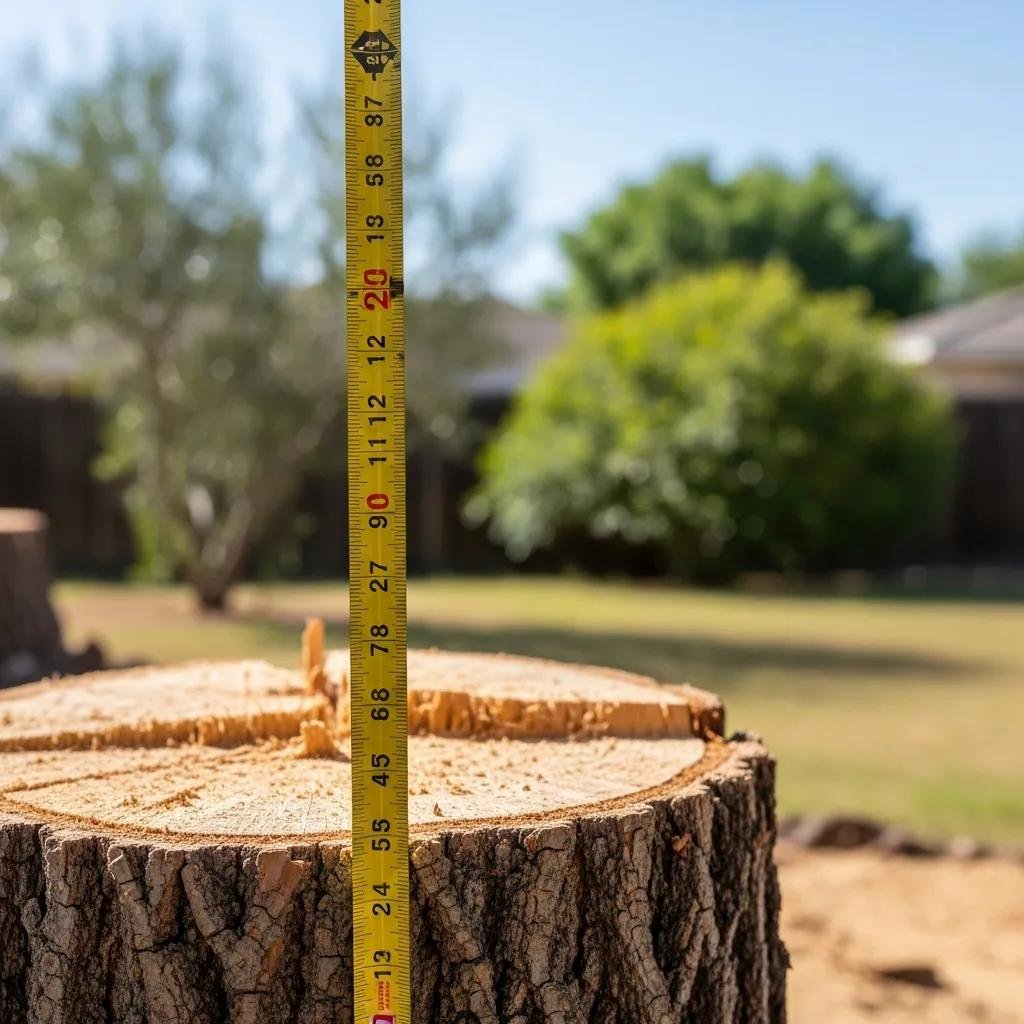
Average tree removal costs in Volusia County for 2025 vary widely by complexity, but typical residential removals most often fall between $200 and $2,500 depending on size and access. Basic removals usually include labor, standard equipment, and basic cleanup, while items like stump grinding, permit fees, and long-distance haul-away are commonly excluded. Many estimates rise when trees are near structures, require crane work, or involve hazardous conditions. For a reliable local quote homeowners should schedule a free onsite assessment to confirm scope and exclusions before committing.
| Tree Size/Type | Typical Cost Range (Volusia County) | Notes (includes/omits stump grinding, debris, permits) |
|---|---|---|
| Small tree (palm/young ornamental) | $200 – $600 | Often includes basic cleanup; stump grinding may be extra |
| Medium tree (mature oak/pine) | $600 – $1,500 | May require larger crew and bucket truck; debris removal sometimes extra |
| Large/complex (tall oak, hazardous location) | $1,500 – $4,000+ | May omit crane, permit fees, or specialized disposal from base quote |
Typical price ranges break down by complexity: small palms and ornamental trees are at the low end, standard mature trees occupy the middle, and large or hazardous removals reach the high end of local pricing. Simple backyard palm removal often requires minimal crew and low-risk equipment, resulting in lower labor and disposal costs. In contrast, large hardwoods near homes or power lines require more time, insurance, and sometimes cranes, which pushes quotes toward the top of the range. When reviewing estimates, homeowners should ask for itemized costs so they can see labor, equipment, and optional services separated.
Tree species affect removal cost because wood density, root structure, and typical height change labor and equipment needs in Volusia County. Palms can be inexpensive when short but costly when very tall due to specialized climbing and disposal; heavy oaks require more cutting and chipping labor because of dense wood. Pine trees may drop long needles and sap that complicate cleanup, while exotic or protected species may trigger permit or disposal requirements. Understanding species-specific challenges helps homeowners anticipate cost drivers and ask targeted questions during an onsite estimate.
Tree removal pricing is driven by a consistent set of factors: size and diameter, species and wood density, site access and proximity to structures, tree condition and hazard level, and additional services like stump grinding or debris removal. Each factor changes crew size, equipment needs, time on site, and insurance or permit requirements, which directly affects final quotes. Knowing how each attribute influences cost helps homeowners compare bids fairly and choose the right level of service. Below is a compact comparison of main factors and their typical impact on price.
| Factor | Attribute | Value / Impact on Price |
|---|---|---|
| Size & Height | Height and trunk diameter | Larger size increases labor, equipment, and time — high impact |
| Species | Wood density and root system | Dense hardwoods raise cutting and disposal costs — medium-high impact |
| Location | Proximity to structures, access | Tight spaces or poor access require special equipment — high impact |
| Condition | Healthy vs. diseased/fallen | Hazardous trees add safety measures and insurance costs — very high impact |
| Add-ons | Stump grinding, haul-away, permits | Optional services can add hundreds to thousands — variable impact |
Tree size and height are primary cost drivers because they determine crew size, time, and equipment such as bucket trucks, ropes, or cranes. Taller trees require more cuts, controlled lowering, and sometimes additional safety personnel, which increases labor costs.
Trunk diameter often ties to per-inch rates for stump grinding and influences how long cutting and chipping take. For example, removing a 10–20 foot ornamental may be a single-day, two-person job, while a 60-foot oak could require a multi-person crew and specialized gear, multiplying labor and equipment charges.
Condition and location change risk profiles and workflow on the jobsite, so diseased, leaning, or storm-damaged trees often cost more to remove safely.
Trees overhanging homes, garages, or power lines need slower, more controlled methods and possibly utility coordination, which drives up the quote. Limited driveway access, narrow gates, or steep slopes can force manual rigging or extra carrying of debris, adding labor time. Contractors factor these complications into estimates to ensure safety and proper liability coverage.
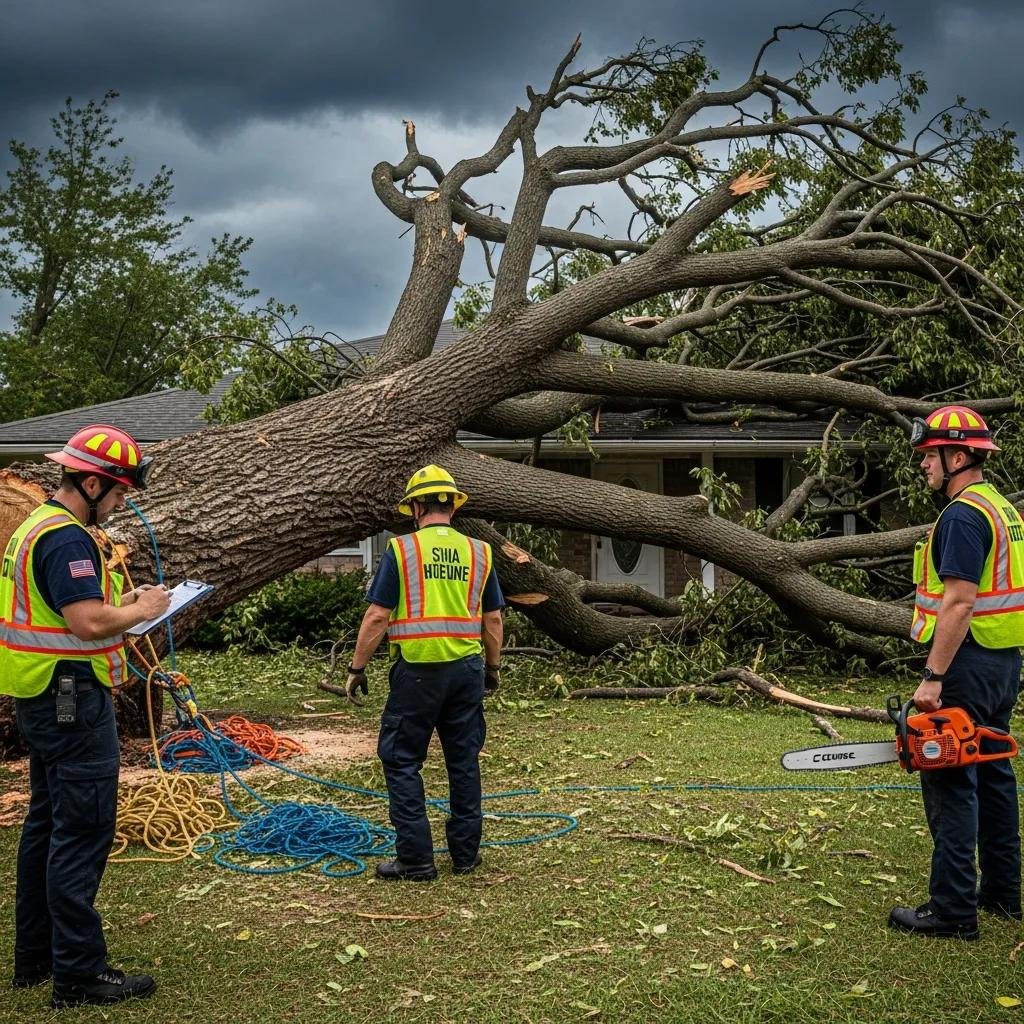
Emergency tree removal addresses urgent hazards like storm-damaged trees, trees leaning toward occupied structures, or trees that have fallen and created immediate risks; these jobs command a time-sensitive premium in Volusia County. Emergency pricing often runs at roughly two to three times a comparable standard removal because crews work after hours, mobilize quickly, and accept greater risk. Homeowners should secure their safety first, then contact an emergency service to assess and stabilize the tree; documentation may be important for insurance claims. If you face an urgent hazard, expect rapid response fees and confirm the scope before work begins.
Emergency removals require quick decision-making and specific safety steps, and contractor availability matters greatly during storms and after major weather events.
Emergency removal incurs higher costs due to after-hours labor rates, rapid mobilization, and increased insurance exposure for crews operating in unstable conditions. Crews may need to work in the dark, in bad weather, or under time pressure, which adds safety personnel, lighting, and special equipment to the job. Overtime and dispatch fees are common, and contractors often charge a risk premium to cover potential liability. As a result, homeowners should plan for a noticeable premium versus a scheduled removal.
Homeowners should request 24/7 emergency tree services when a tree presents an immediate threat to life or property; clear signs include trees fallen across occupied structures, large limbs hanging dangerously, or a tree contacting power lines. If a storm has left trees unstable or leaning in a way that could lead to collapse, rapid professional assessment is warranted. Keep occupants away from the danger zone and call an emergency service for stabilization and removal. Timely action reduces secondary damage and may simplify insurance processing.
Stump grinding and debris removal are common add-ons that shift a base removal into a more complete site-restoration service, typically adding a few hundred dollars for small stumps to several hundred or more for large diameters or full haul-away. Grinding is usually priced per stump or per inch of diameter, while debris options include chipping and leaving mulch on site, hauling away, or stacking wood for the homeowner. These choices affect total cost, turnaround time, and whether the site is ready for landscaping afterward. Below is a table comparing common service options and typical price metrics.
Stump and debris options are easy to compare and often offered as optional line items on free onsite quotes provided by local contractors.
| Service Option | Pricing Metric | Typical Price Range |
|---|---|---|
| Stump grinding (per stump) | Per-inch or flat fee | $100 – $400 depending on diameter |
| Chipping and leaving mulch | Per-job or included | $0 – $200 value savings if left on site |
| Haul-away debris | Per cubic yard or flat fee | $100 – $600 depending on volume |
Stump grinding prices rise with diameter because larger roots and deeper grinding take more time and heavier equipment. Small stumps under 12 inches can often be ground for a modest flat fee, while 24–36 inch stumps require more passes and deeper milling. Accessibility and root complexity also push prices higher. When comparing bids, ask whether the quoted price includes removal of grindings or whether those will be left as mulch, as removal adds time and cost.
Debris options include chipping and leaving wood on site as mulch, hauling chips away, or separating usable firewood for homeowner pickup; each has a different price and value proposition. Chipping and leaving mulch typically lowers cost because it reduces haul-away volume, while full haul-away is costlier but results in a cleaner site ready for immediate landscaping. Local disposal rules may affect availability and cost of off-site removal. Volusia County homeowners should ask contractors to itemize debris options on their free onsite quote so they can choose the most cost-effective solution.
For local, affordable quotes and free onsite tree health assessments or cost estimates, contact Volusia Bobcat & Tree Service at (386) 675-7898 to schedule an inspection. Their services include tree removal, tree trimming, stump grinding, land clearing, and debris removal, and they offer 24/7 emergency response and free onsite quotes to clarify costs and options.