Technical SEO is the backbone of effective search engine optimization, ensuring that websites are structured in a way that search engines can easily crawl and index them. This article will delve into the essential components of technical SEO, providing a comprehensive understanding of how these elements contribute to a website’s visibility and performance in search engine results. Readers will learn about the core components of technical SEO, how to conduct a thorough technical SEO audit, and the best practices for optimizing website crawlability and indexability. Additionally, we will explore the significance of site structure and Core Web Vitals in enhancing user experience and search rankings. By the end of this article, you will have a solid foundation in technical SEO, empowering you to implement strategies that drive organic traffic and improve your website’s performance.
Technical SEO encompasses several critical elements that work together to enhance a website’s visibility in search engine results. These components include crawlability, indexability, site structure, and Core Web Vitals. Understanding these elements is essential for optimizing a website effectively.
Crawlability refers to the ability of search engine bots to access and navigate a website’s pages. Indexability, on the other hand, is the process by which search engines decide whether to include a page in their index. A well-structured site facilitates both crawlability and indexability, ensuring that search engines can efficiently process the information. Core Web Vitals are a set of metrics that measure user experience, focusing on loading performance, interactivity, and visual stability. Together, these components form the foundation of a successful technical SEO strategy.

Crawlability and indexability are crucial for a website’s visibility in search engine results. If a website is not crawlable, search engines cannot access its content, leading to poor visibility. Common issues affecting crawlability include broken links, improper use of robots.txt files, and poor site architecture. Indexability issues arise when search engines decide not to include a page in their index, often due to incorrect meta tags or directives such as noindex.
To enhance visibility, website owners should regularly audit their sites for crawlability and indexability issues. Tools like Google Search Console can help identify problems, allowing for timely resolutions that improve search engine performance.
A well-optimized site structure is vital for SEO success as it directly impacts both user experience and search engine crawling efficiency. A logical site structure helps users navigate the website easily, leading to longer visit durations and lower bounce rates. Additionally, search engines favor sites with clear hierarchies, making it easier for them to index content effectively.
Best practices for site structure optimization include using a clear URL hierarchy, implementing breadcrumb navigation, and ensuring that internal links are strategically placed. These practices not only enhance user experience but also improve the overall SEO performance of the website.
Conducting a technical SEO audit is essential for identifying and resolving issues that may hinder a website’s performance. A comprehensive audit involves several steps, including analyzing crawlability, indexability, site structure, and Core Web Vitals.
Several tools can assist in identifying crawlability and indexability issues. Google Search Console is a primary resource, providing insights into how search engines view your site. Other useful tools include Screaming Frog, which crawls websites to identify broken links and redirect issues, and SEMrush, which offers in-depth site audits.
Techniques for analysis include reviewing the robots.txt file to ensure it allows search engines to crawl essential pages and checking for proper use of canonical tags to prevent duplicate content issues. Regular audits help maintain optimal site performance and visibility.
Evaluating Core Web Vitals is crucial for ensuring an optimal user experience. These metrics include Largest Contentful Paint (LCP), First Input Delay (FID), and Cumulative Layout Shift (CLS). LCP measures loading performance, FID assesses interactivity, and CLS evaluates visual stability.
To measure these metrics, tools like Google PageSpeed Insights and Lighthouse can be utilized. Improvement strategies may involve optimizing images for faster loading, reducing server response times, and ensuring that elements on the page do not shift unexpectedly during loading. By focusing on these metrics, website owners can enhance user experience and improve search rankings.
Further research emphasizes the critical role of specialized tools in effectively measuring and enhancing these vital web performance indicators.
Optimizing Core Web Vitals with Performance Tools
This paper delves into the significance of web performance tooling in measuring and optimizing key performance indicators (KPIs) known as “web vitals.” It explores popular tools such as Lighthouse, PageSpeed Insights, and WebPageTest, analyzing their functionalities and roles in enhancing web performance [2][3][4]. These tools help evaluate critical metrics like Largest Contentful Paint (LCP) and First Input Delay (FID), which directly impact userexperience. Additionally, the paper investigates the importance of optimizing core web vitals like LCP and FID and their impact on key metrics such as bounce rate, conversion rate, and time on site.
Web performance tooling and the importance of web vitals, MK Dobbala, 2022
Optimizing crawlability and indexability is essential for improving a website’s search engine performance. This involves implementing best practices for robots.txt files, XML sitemaps, and canonical tags.
The robots.txt file plays a critical role in guiding search engine bots on which pages to crawl. Best practices include disallowing access to non-essential pages, such as admin sections, while allowing access to important content. Additionally, maintaining an updated XML sitemap helps search engines discover new and updated pages quickly.
Common pitfalls to avoid include blocking essential pages inadvertently and failing to update the sitemap after significant changes to the website. Regularly reviewing and optimizing these configurations ensures that search engines can effectively crawl and index the site.
Canonical tags and noindex directives are essential tools for managing indexing. Canonical tags indicate the preferred version of a page when duplicate content exists, helping to consolidate ranking signals. Noindex directives instruct search engines not to index specific pages, preventing them from appearing in search results.
Understanding when to use these tags is crucial for maintaining a clean index and avoiding penalties for duplicate content. Proper implementation can significantly enhance a website’s SEO performance by ensuring that only the most relevant pages are indexed.
Optimizing site structure is vital for enhancing both user experience and search engine performance. Effective strategies include internal linking, URL structure optimization, and breadcrumb navigation.
Internal linking is a powerful strategy for enhancing topical authority and crawl efficiency. By linking related content within the site, website owners can guide users and search engines to important pages, improving navigation and indexing. This practice also helps distribute page authority throughout the site, boosting the SEO performance of linked pages.
Best practices for internal linking include using descriptive anchor text, linking to relevant content, and ensuring that important pages are easily accessible. A well-structured internal linking strategy can significantly improve a website’s overall SEO effectiveness.
A clear URL structure and effective breadcrumb navigation are essential for both user experience and SEO. URLs should be descriptive and include relevant keywords, making it easier for users and search engines to understand the content of the page. Breadcrumb navigation enhances usability by providing users with a clear path back to previous pages.
Implementing these practices not only improves user experience but also aids search engines in understanding the site’s hierarchy, leading to better indexing and ranking.
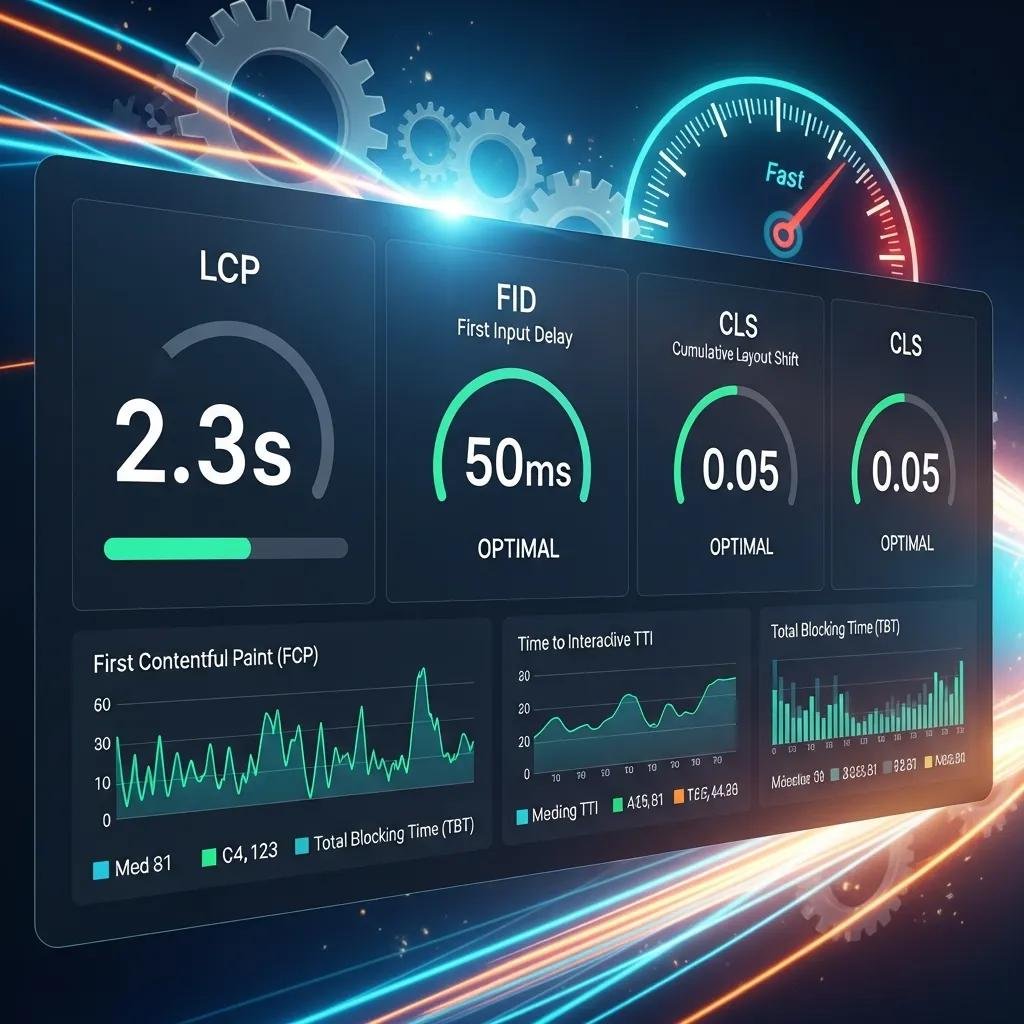
Improving Core Web Vitals is essential for enhancing search rankings and user experience. Focusing on LCP, FID, and CLS can lead to significant improvements in site performance.
To optimize LCP, techniques such as image compression, lazy loading, and server-side rendering can be employed. For FID, minimizing JavaScript execution time and optimizing event handlers are effective strategies. To enhance CLS, ensuring that elements have defined dimensions and avoiding layout shifts during loading are crucial.
By implementing these techniques, website owners can significantly improve their Core Web Vitals, leading to better user experiences and higher search rankings.
Image and server optimization play a critical role in page speed, directly affecting user experience and search rankings. Optimizing images through compression and using modern formats like WebP can reduce loading times significantly. Additionally, improving server response times through efficient hosting solutions and content delivery networks (CDNs) can enhance overall site performance.
By prioritizing these optimizations, website owners can ensure faster loading times, leading to improved user satisfaction and better search engine rankings.
AI-powered SEO tools are revolutionizing the way technical SEO is approached, offering advanced solutions for optimizing websites. These tools leverage machine learning algorithms to analyze data and provide actionable insights for improving SEO performance.
LLM visibility refers to the ability of AI-driven tools to enhance a website’s presence in search results through advanced optimization techniques. By analyzing user behavior and search patterns, these tools can identify opportunities for improvement and suggest strategies to enhance visibility.
Incorporating AI-driven insights into technical SEO practices can lead to more effective optimization strategies, ensuring that websites remain competitive in an ever-evolving digital landscape.
The topical map system is an innovative approach to organizing content into structured clusters, enhancing both user experience and SEO performance. By grouping related content together, websites can provide users with comprehensive information on specific topics, improving engagement and reducing bounce rates.
This system also aids search engines in understanding the relationships between different pieces of content, leading to better indexing and ranking. Implementing a topical map strategy can significantly enhance a website’s overall SEO effectiveness.